

The Job Site Game Changer: Why Your Construction Project Needs Industrial Fans
When you picture a construction site, you think of materials, machinery, and manpower. Rarely is “air quality” or “climate control” at the top of the planning list. Yet, stagnant air, toxic dust, oppressive heat, and hazardous fumes are constant, silent threats that can derail timelines, compromise safety, and impact the bottom line. Industrial fans are not just for finished warehouses; they are an essential piece of job site equipment that directly fuels productivity, safety, and regulatory compliance. This guide explores how integrating industrial ventilation strategy into your construction planning is a mark of professional management and a powerful tool for success.
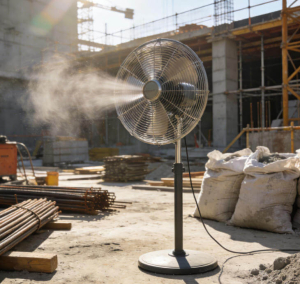
The High Cost of Bad Air on a Construction Site
Unmanaged air on a construction site isn’t just uncomfortable—it’s expensive and dangerous. The consequences are measurable:
Worker Health & Safety Risks: Silica dust, chemical vapors, welding fumes, and excessive heat lead to respiratory illnesses, heat stroke, impaired judgment, and long-term liability.
Project Delays: Heat stress slows work pace. Poor visibility from dust causes errors. Safety incidents or OSHA violations can halt work entirely.
Equipment & Material Damage: Moisture buildup in enclosed spaces promotes mold on building materials (like drywall and wood) and causes corrosion on expensive tools and machinery.
Regulatory Action: Failure to control airborne hazards like silica (per OSHA’s Respirable Crystalline Silica Standard) can result in significant fines and work stoppages.
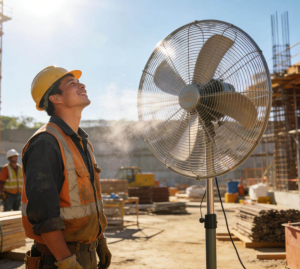
Strategic Applications: Where Industrial Fans Deliver Maximum Impact
A proactive approach uses different types of fans as targeted tools throughout the project lifecycle.
1.Dust Control & Abatement: Your First Line of Defense
Dust is the most pervasive contaminant. Fans are critical for both source control and general containment.
During Demolition & Concrete Work: Use explosion-proof centrifugal fans connected to negative air machines or dust collectors to create negative pressure, preventing silica and general dust from escaping the work zone and contaminating other areas.
General Site Dust: Large barrel fans or high-volume axial fans placed at strategic openings can create a directional airflow that pushes dust away from worker breathing zones and toward the perimeter.
2.Managing Extreme Temperatures & Worker Heat Stress
Whether in a sweltering summer excavation or a stuffy interior build-out, heat is a productivity killer.
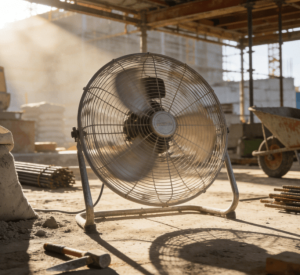
Open Site Cooling: High-velocity portable fans provide direct spot cooling for crews in trenches, on scaffolding, or operating hot machinery.
Enclosed Structure Ventilation: Before HVAC is operational, use duct fans or axial fans in windows/doors to create a through-flow, exhausting hot, stale air and drawing in cooler air. This is vital for interior finishing work.
3.Fume Extraction & Hazardous Atmosphere Management
Welding, painting, adhesive application, and operating fuel-powered equipment in enclosed spaces create toxic atmospheres.
Direct Fume Removal: Smoke ejector fans and extraction arms with built-in fans placed within feet of welding or grinding operations capture fumes at the source, protecting the welder and the surrounding crew.
General Ventilation: In garages, basements, or tunnels, powerful fans are required to maintain safe oxygen levels and dilute gasoline or diesel exhaust from generators and equipment, complying with confined space regulations.
4.Drying & Moisture Control for Scheduling
Weather delays are inevitable, but drying out foundations, slabs, or flooded areas doesn’t have to be.
Accelerated Drying: Strategically placed industrial-grade dehumidifiers with fan assist or arrays of high-CFM centrifugal fans can drastically reduce dry-out times for concrete, framing lumber, and interior spaces after a water event, keeping the project on schedule.
Choosing the Right “Tool” for the Job: Construction-Grade Fans
Construction sites demand rugged, portable, and versatile equipment. Key features to look for include:
Durability: Heavy-duty steel or polypropylene housings, protected motor cages, and robust grilles to withstand impacts, debris, and weather.
Portability & Power: Integrated handles, wheel kits, and options for generator compatibility (various voltages) are essential for moving fans where they’re needed.
Safety Certifications: For use around flammable vapors or combustible dust, Explosion-Proof (EXP) ratings are non-negotiable. Look for models with OSHA-compliant guarding.
Versatility: Fans that can be mounted on poles, hung from beams, or placed on the ground offer the most flexibility.
Primary Fan Types for Construction:
High-Velocity Portable Fans: The workhorse for spot cooling and general airflow.
Duct Fans & Smoke Ejectors: For moving air through long distances or out of windows.
Negative Air Machines: Specialized units with HEPA filters for critical containment during mold remediation or hazardous material removal.
Axial Wall Fans: For semi-permanent installation in a structure during the build-out phase.
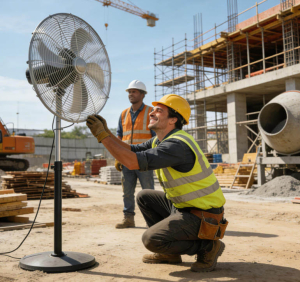
Building a Culture of Safety and Efficiency
Incorporating fans into your daily site operations sends a clear message: worker well-being and professional standards matter. It’s a visible commitment to reducing hazard exposure. A cooler, cleaner, well-ventilated site experiences fewer delays, higher morale, and a stronger safety record.
Conclusion: Breathe Efficiency Into Your Next Project
In modern construction management, controlling the environment is as critical as managing the schedule or budget. Industrial fans are a force multiplier—they protect your greatest asset (your crew), safeguard your materials, ensure regulatory compliance, and keep the project moving forward efficiently.
Don’t let bad air build up. Plan for ventilation from day one.
Ready to Optimize Your Site Safety and Timeline?
Consult with our construction ventilation specialists. We’ll help you select the right fan setup for your specific phase—from demolition dry-down to interior finish—ensuring you have clean, safe air flowing from groundbreaking to ribbon-cutting.


Leave a Reply
Want to join the discussion?Feel free to contribute!