
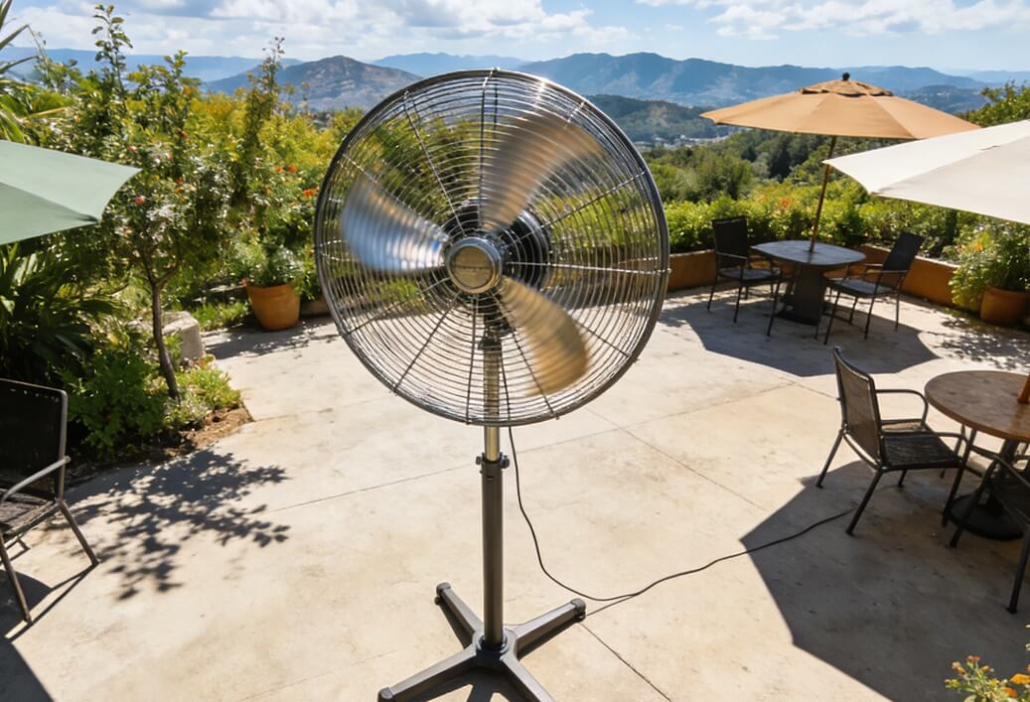
Industrial Fans & Sustainability: Driving Energy Efficiency and Green Operations
In today’s industrial landscape, efficiency is no longer just about cost savings—it’s a core pillar of sustainability and corporate responsibility. As facilities face increasing pressure to reduce carbon footprints, meet ESG (Environmental, Social, and Governance) goals, and optimize resource use, every system is under scrutiny. Often overlooked, the industrial ventilation system presents a significant, immediate opportunity for impactful green gains. Modern, high-performance industrial fans are not merely airflow devices; they are sophisticated tools for energy conservation, emission reduction, and sustainable facility management. This guide explores how upgrading to advanced fan technology is a strategic move that aligns operational excellence with environmental stewardship.
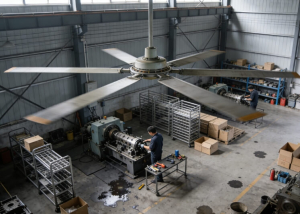
The Environmental Cost of Inefficient Ventilation
Traditional or poorly maintained ventilation systems are silent energy drains with a substantial environmental impact:
-
Excessive Energy Consumption: Ventilation can account for 25-40% of a plant’s total electricity use. Inefficient fans with outdated motors operate at constant, unoptimized speeds, drawing unnecessary power from the grid, often fueled by non-renewable sources.
-
Indirect Carbon Emissions: This wasted electricity translates directly into higher Scope 2 greenhouse gas emissions, inflating your facility’s carbon footprint.
-
Heat Island Effect & Waste Heat: Inefficient airflow fails to manage heat effectively, leading to increased demand on energy-intensive air conditioning systems or creating localised heat islands.
-
Premature Equipment Lifecycle: Systems that overwork and overhear lead to more frequent replacements, generating electronic waste and consuming raw materials for manufacturing new units.
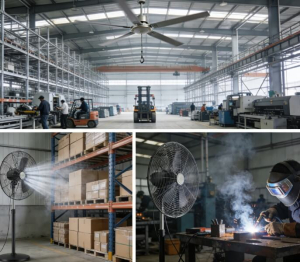
How Advanced Industrial Fans Build a Sustainable Facility
Smart fan technology addresses these issues head-on, contributing to multiple sustainability metrics.
1. Radical Energy Efficiency Through Intelligent Design
The core of green operations is using less energy to achieve the same—or better—results.
-
Premium Efficiency Motors: Modern fans utilize IE4/IE5 premium efficiency or EC (Electronically Commutated) motors that convert electrical energy into mechanical motion with minimal losses, often cutting fan motor consumption by 30-50%.
-
Aerodynamic Optimization: Advanced blade designs (airfoil shapes) and housings are engineered using CFD (Computational Fluid Dynamics) to move maximum air with minimal power input.
-
High Volume, Low Speed (HVLS) Technology: A single HVLS fan can replace dozens of small, inefficient high-speed fans, reducing total energy use for space conditioning by over 40% in large spaces. Their slow rotation uses remarkably little power for the massive airflow generated.
-
Variable Speed Drives & Smart Controls: Integrating fans with VFDs (Variable Frequency Drives) and IoT sensors allows speed to modulate based on real-time temperature, occupancy, or contaminant levels. This eliminates the “always-on, full-blast” waste of traditional systems.
2. Enabling Electrification & Renewable Integration
As facilities transition away from fossil fuels, efficient electrical systems become paramount.
-
Load Reduction for HVAC: By effectively managing heat through destratification and spot cooling, high-performance fans significantly reduce the burden on central air conditioning, allowing for downsized HVAC systems and enabling easier integration with renewable-powered electrical grids.
-
Demand Response Ready: Smart, controllable fan systems can participate in utility demand response programs, intelligently reducing power draw during peak grid periods without compromising safety, thus supporting grid stability and higher penetration of renewables.
3. Waste Heat Recovery & Process Integration
Fans play a key role in circular systems within a facility.
-
Heat Redistribution: In facilities with uneven heating needs, fans can strategically redistribute waste heat from process areas to spaces requiring warmth, reducing overall heating fuel or energy consumption.
-
Enhanced Efficiency of Other Green Tech: Proper ventilation is critical for the performance of other sustainable technologies, such as ensuring optimal airflow for solar panel cooling (maintaining efficiency) or aiding in the evaporation process in closed-loop water systems.
4. Durability, Maintenance & Lifecycle Sustainability
Sustainability is also about longevity and resource conservation.
-
Built-to-Last Design: Robust construction with high-quality materials extends service life to 15-20 years or more, minimizing the environmental impact of manufacturing, shipping, and disposing of multiple inferior units.
-
Predictive Maintenance: Technologies like vibration sensors on fans prevent catastrophic failures, enabling part-level repairs instead of whole-unit replacements, further conserving resources.
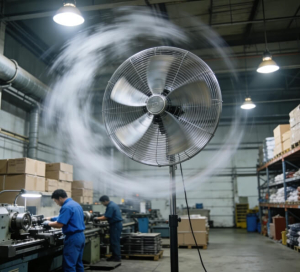
Quantifying the Green Impact: Metrics That Matter
Upgrading your fan system delivers measurable sustainability KPIs:
-
Direct kWh Reduction: Trackable decrease in monthly electricity consumption.
-
Lower Carbon Footprint: Reduced kWh usage directly lowers your Scope 2 CO2e emissions (calculate using your local grid’s emission factor).
-
Power Usage Effectiveness (PUE) Improvement: For data centers, efficient cooling directly improves this key metric.
-
Energy Intensity Reduction: Measure energy used per unit of production, showcasing decoupling of output from resource input.
Making the Business Case: Sustainability Meets Financial Sense
The sustainable choice is also the financially prudent one. The business case rests on two powerful pillars:
-
Hard Cost Savings: Drastically reduced energy bills, lower maintenance costs, and extended equipment life deliver a compelling ROI, often with a payback period of under 2 years.
-
Soft Value & Risk Mitigation: Enhanced brand reputation, compliance with evolving regulations (like carbon taxes), future-proofing against energy price volatility, and meeting investor/customer ESG expectations.
Implementing a Sustainable Ventilation Strategy
-
Conduct an Energy Audit: Benchmark current ventilation energy use and airflow performance.
-
Set Clear Goals: Target specific reductions in kWh, carbon emissions, or energy intensity.
-
Design a Hybrid System: Combine technologies like HVLS fans for general space conditioning with smaller, smart VFD-controlled fans for targeted zones.
-
Integrate with Building Management Systems (BMS): Ensure fans operate as part of a holistic, optimized building ecosystem.
-
Monitor, Verify, and Report: Use submetering and monitoring software to track performance, verify savings, and report on sustainability achievements.
Conclusion: Breathe Efficiency, Lead with Responsibility
In the pursuit of sustainable industry, high-performance industrial fans are a low-hanging fruit with a high-impact yield. They transform a basic utility into an intelligent system for resource conservation. By investing in advanced ventilation, you’re not just installing fans; you’re investing in lower operational costs, a smaller environmental footprint, and a resilient, future-ready facility.
Sustainable operations begin with intelligent airflow. Let your ventilation system be a driver of your green legacy.
Ready to Calculate Your Green Savings Potential?
Contact our Sustainability and Efficiency Team for a complimentary Ventilation Energy Assessment. We’ll analyze your current system’s performance, model the energy and carbon savings of an upgrade, and provide a clear roadmap to a more efficient, sustainable, and profitable operation.


Leave a Reply
Want to join the discussion?Feel free to contribute!