

The Role of High-Performance Industrial Fans in Improving Workplace Safety and Air Quality
One of the most important issues in an industrial facility is maintaining a healthy and safe working climate. Employees at a factory or in a warehouse are usually exposed to heat, air contaminants, dust, vapours, and humidity and all these can influence productivity, comfort and safety. One of the best engineering solutions to these issues is the high-performance industrial fans.
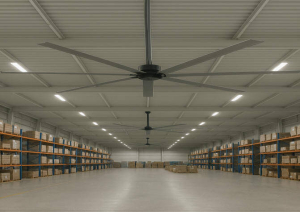
These are special fans that are introduced to circulate instances of air, maintain temperature, minimize pollutant levels, and enhance the working conditions in general. Here in this article, we will understand how high performance industrial fans can enhance workplace safety, assist in air quality management and ensure that facilities meet the national standards of safety.
Why Air Quality Matters in Industrial Environments
The industrial working environments are very likely to become unhealthy due to cutting, welding, grinding, chemical work, and movement of materials. The accumulation of pollutants may result in breathing problems, heat strokes, fatigue, dizziness, lack of focus, probability of accidents, and dampness that causes mould, rust, and equipment wear.
According to OSHA’s ventilation guidelines, to manage the airborne hazards, the right ventilation is required to ensure the workplace is safe. To be used as a guide, the OSHA Ventilation Safety Standards here: This shows the importance of ventilation and industrial fans in maintaining compliance of facilities and worker safety.
How High-Performance Industrial Fans Improve Workplace Safety
The industrial facilities are usually faced with heat concentration, dusts, and lack of air circulation that can make the working environment unsafe. Industrial fans, which are high-performance fans, can be used to overcome such challenges because they create a better airflow, minimize the contaminants, and make the working environment more stable. Their contribution to the consistency of the ventilation is the key to comfort and safety measures.
1. Enhancing Ventilation and Air Circulation
Industrial fans that are high-performance are designed to move air in large quantities in an efficient manner. They do not allow stagnant air pockets where there may be a concentration of contaminants and heat. Regular air circulation provides a clean, more refreshing air within the facility.
- Reducing Heat Stress
In a factory environment, heat is quite common due to machinery or heavy equipment or even a chemical process. Increase in temperatures exposes workers to:
- Heat exhaustion
- Heat cramps
- Dehydration
- Decreased cognitive focus
Industrial fans particularly the HVLS (High Volume and Low speed) fans are used to reduce perceived temperature through the circulation of air throughout the workspace area. This minimizes the risks of heat and also enhances the comfort of the workers.
3. Controlling Dust and Particulate Matter
One of the most prevalent dangers in production and warehousing is dust. It rests on surfaces, equipment and work zones posing breathing hazards and slip risks.
High power fans are effective in removing dust accumulation by:
- Suspending the particles until they are removed using filtration systems.
- Enhancing the general ventilation to allow the removal of particles with ease.
4. Removing Fumes and Chemical Vapors
Fumes of chemicals, welding gases, paint overspray and solvent vapors are toxic to inhale. Industrial fans assist in the extraction and dilution of fumes by:
- Directing contaminants toward exhaust hoods
- Improving the overall air dilution.
- Increasing the efficiency of the HVAC or filtration systems.
These fans are used in the settings such as paint booths, chemical plants, fabrication workshops, and so on to decrease the contact with toxins and occupational safety.
Types of High-Performance Industrial Fans and Their Uses
Not all fans are created equal. Selecting the right type is essential for optimizing industrial ventilation and workplace safety.
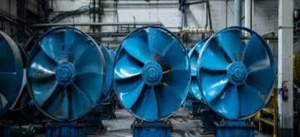
1. Axial Fans
These are straight line fans, which are used in general ventilation as well as spot cooling. They are usually applied in manufacturing lines and open shops.
2. Centrifugal Blowers
Centrifugal fans force the air to the outward producing an increased pressure. They can be used ideally in duct ventilation, filtration systems, and in any place that requires controlled airflow.
3. HVLS (High Volume Low Speed) Fans
Warehouse ceiling-mounted fans available where there is a wide and open area. They move large masses of air but use little energy which enhances temperature distribution and minimizes
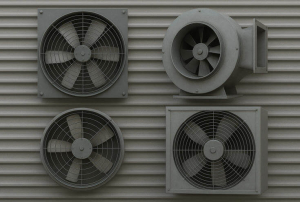
4. Wall-Mounted and Portable Industrial Fans
Perfect to direct air to certain areas, particularly in areas requiring temporary or movable ventilation systems.
5. Misting Fans
Combine airflow with fine water droplets for evaporative cooling. Useful in hot climates or semi-outdoor industrial settings.
Benefits of Industrial Fans for Workplace Safety
Dust, fumes, heat and stagnant air are some of the challenges that industrial setups deal with regarding the quality of air. HPIFs can reduce such risks by keeping the workspace safe and constantly ventilated. They also facilitate compliance with regulations by minimizing air pollutants and controlling temperatures.
Improved Visibility
Dust, fumes, steam, humidity all make the visibility worse- results in accidents. Air cleaning is done by industrial fans to allow workers to move freely and use machinery without any concerns.
Compliance with Safety Regulations
Safety audits include ventilation requirements. Industrial fans promote good airflow which is reliable:
- Meet OSHA guidelines
- Reduce workers’ compensation claims
- Lower facility downtime
Enhanced Employee Morale
Employees who work in a cool and clean environment have better moods, better productivity and remain more alert. A comfortable workforce is a productive workforce.
Best Practices for Maximizing Fan Performance
In order to maximize your industrial fan system, do the following:
1. Proper Placement
Place position fans properly to prevent sweeping contaminants to workers. Plan airflow pathways such that clean air will enter and dirty air will leave the building effectively.
2. Combine Fans with Exhaust Systems
Air exhaust hoods or filtration systems are recommended to use with fans. This combination is such that the contaminants are captured and eliminated in the facility.
3. Choose the Right Size and Power
Oversized or undersized fans are energy wastage and they do not ensure proper ventilation. Select match fans depending on your square footage and airflow of the facility.
Industries That Benefit Most from High-Performance Fans
- Manufacturing plants
- Welding and metal fabrication factories.
- Food processing facilities
- Logistics centers and warehouses.
Both of these industries are dependent on the air quality and temperature in order to keep them safe and efficient.
Conclusion
High-performance industrial fans are the necessary equipment to enhance the safety and air quality at the workplace. They are used to regulate heat, dust and fumes, humidity and provide regulatory compliance. Industrial facilities can go a long way to improve the health of workers and their functionality by selecting the appropriate type of fans, installing them correctly, and maintaining them as often as possible.
Having a safer and cleaner working place is not merely a form of compliance, but a long run investment in productivity and employee welfare.


Leave a Reply
Want to join the discussion?Feel free to contribute!